
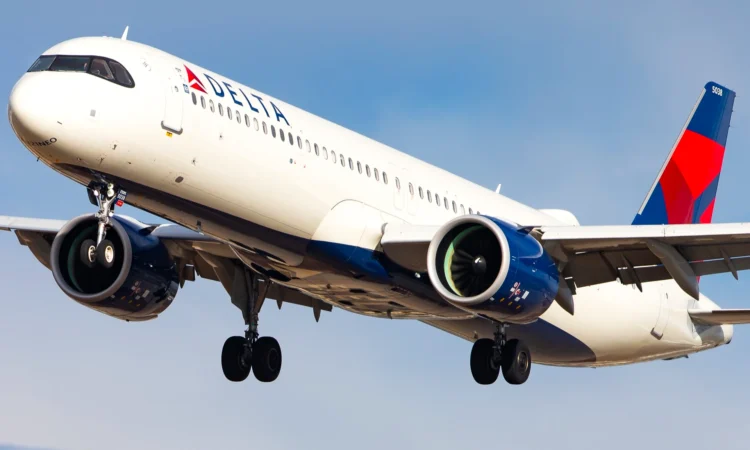
Flight changes happen all the time, but it still feels surprising when your plane suddenly changes course. If you were tracking or flying on the route when delta flight dl275 diverted lax, you probably have plenty of questions about what went wrong, how the crew handled the situation, and what standard procedures look like during an unexpected landing. Commercial aviation prioritizes safety above all else, which means pilots will never hesitate to reroute an aircraft if they detect a mechanical issue, a medical emergency, or severe weather ahead.
In this comprehensive guide, we will explore the exact procedures and experiences involved when delta flight dl275 diverted lax. You will learn how airlines manage these abrupt changes, what passengers can expect during the disruption, and how ground operations spring into action to ensure everyone remains safe and comfortable. We will also break down the compensation policies and rebooking steps that follow a diverted flight.
Key Takeaways
- Pilots prioritize passenger safety and will divert flights for medical, weather, or technical reasons.
- Ground crews at Los Angeles International Airport are highly trained to handle unexpected arrivals.
- Airlines typically offer compensation or rebooking assistance depending on the cause of the delay.
- Staying calm and following crew instructions is the best way to handle an inflight diversion.
- Understanding your passenger rights helps you navigate the aftermath of a disrupted journey.
The Timeline of the Unexpected Reroute
When delta flight dl275 diverted lax, the sequence of events unfolded rapidly but smoothly, showcasing the extensive training the flight crew undergoes. Generally, a flight progresses normally from takeoff until the captain or automated systems identify a potential issue. Once the flight deck recognizes a problem, they immediately contact airline dispatch and regional air traffic control to determine the safest course of action. They evaluate nearby airports, checking runway lengths, weather conditions, and emergency services availability before making a final decision to alter their path.
After deciding to divert, the captain makes a public address announcement to inform the cabin. While this news can cause a brief moment of anxiety among travelers, the crew works diligently to keep everyone calm and informed. The aircraft begins its descent much earlier than originally planned. Flight attendants secure the cabin, checking seatbelts and stowing loose items just as they would for a standard arrival. The smooth transition from cruising altitude to the final approach at Los Angeles International Airport proves how well commercial aviation handles sudden disruptions.
Aircraft Information and Route Details
Understanding the specific details of the aircraft and its intended path gives us a clearer picture of why delta flight dl275 diverted lax. Wide-body and narrow-body airplanes have different capabilities, ranges, and technical requirements. When an aircraft leaves its departure gate, it carries a specific amount of reserve fuel designed specifically for situations like a diversion or an extended holding pattern. The dispatch team calculates this fuel load precisely so the plane can always reach an alternate destination safely.
Below is a helpful table breaking down standard flight metrics that factor into how dispatchers and pilots plan for unexpected contingencies:
|
Flight Metric |
Standard Operation Detail |
Diversion Consideration |
|---|---|---|
|
Aircraft Type |
Boeing / Airbus Commercial Jet |
Must match runway weight limits |
|
Fuel Reserves |
45+ minutes of extra flight time |
Determines range to alternate airport |
|
Cruising Altitude |
30,000 to 40,000 feet |
Faster descent required for emergencies |
|
Passenger Capacity |
150 to 300+ depending on layout |
Requires sufficient terminal gate space |
Knowing these metrics helps explain the logistical puzzle of bringing a plane down early. The pilots must ensure the aircraft is light enough to land without stressing the landing gear, which sometimes requires burning off or dumping fuel if they recently took off.
Weather Conditions and Technical Issues
Various factors can lead to a sudden change in a flight plan, and when delta flight dl275 diverted lax, safety remained the driving force behind the decision. Weather plays a massive role in aviation. Thunderstorms, heavy fog, high winds, or unexpected turbulence can make a planned route completely unsafe. If a destination airport experiences a sudden drop in visibility, airplanes might circle in a holding pattern until they run low on reserve fuel, forcing them to head to a clear airport like LAX.
On the other hand, technical issues also prompt immediate diversions. Commercial jets feature highly advanced diagnostic systems that monitor everything from engine temperature to cabin pressure and hydraulic fluid levels. If a sensor indicates a potential malfunction, pilots will not take any risks. They will choose to land at the nearest suitable airport to let mechanics inspect the aircraft on the ground. This cautious approach ensures that minor mechanical faults never escalate into dangerous situations while the plane is miles above the ground.
The Role of Los Angeles International Airport
Los Angeles International Airport (LAX) serves as a massive hub for global and domestic travel, making it an ideal destination for an unplanned landing. When delta flight dl275 diverted lax, the airport’s extensive infrastructure proved invaluable. LAX features four massive runways capable of handling the largest commercial jets in the sky. It also houses extensive maintenance facilities, emergency response teams, and enough gate space to accommodate suddenly arriving aircraft without completely disrupting the flow of regular traffic.
Furthermore, LAX operates 24 hours a day with highly staffed air traffic control towers and ground crews. If a plane needs a sudden maintenance check or if passengers require immediate medical attention, the airport possesses the resources to manage the situation swiftly. The presence of major airline hubs at LAX also means that if a flight gets grounded, the airline has spare parts, backup crews, and alternative aircraft available to help passengers continue their journeys as quickly as possible.
Air Traffic Control Coordination
Air Traffic Control (ATC) plays a hidden but essential role during any flight diversion. The moment the pilots declare their intention to change course, ATC clears the airspace around the descending jet. Controllers actively communicate with other nearby aircraft, instructing them to change their altitudes or headings to create a safe, clear path for the diverted flight. This high-stakes coordination requires immense focus and clear communication between the pilots and the tower.
Controllers also coordinate with ground services. They notify the local fire department and medical teams if the diversion involves an emergency. Even if the diversion happens purely for a minor mechanical warning, ATC ensures that the plane receives priority routing to the runway and a clear taxiway to an open gate. Their seamless management of the airspace prevents congestion and ensures the aircraft touches down without any unnecessary delays.
Priority Landing Procedures
During a diversion, aircraft often receive priority landing status. This means ATC will place the diverted plane ahead of other arriving flights in the queue. The pilots follow specific approach vectors designed to get them onto the runway as safely and efficiently as possible. Once the wheels touch down, specialized ground vehicles may escort the plane to its designated parking area, ensuring total safety on the tarmac.
Passenger Experiences and Reactions
Sitting in the cabin when delta flight dl275 diverted lax undoubtedly created a memorable experience for the travelers on board. Passengers usually realize something is changing when they feel the plane descending earlier than expected or notice the flight map on their seatback screens shifting directions. The captain’s announcement is the crucial moment that clarifies the situation. A calm, authoritative voice explaining the reason for the diversion goes a long way in managing passenger anxiety and maintaining order in the cabin.
Once on the ground, the passenger experience varies depending on the severity of the issue. Sometimes, travelers remain on the aircraft while mechanics perform a quick fix or while a medical team boards to assist an ill passenger. In other cases, everyone must deplane and wait in the terminal. While waiting, passengers rely on gate agents and airline apps for updates. The uncertainty can cause frustration, but most people understand that the crew made the decision to protect their well-being.
Airline Safety Protocols in Action
The seamless execution of a diversion highlights the rigorous safety protocols that airlines practice constantly. Before a pilot ever flies a plane with passengers, they spend countless hours in advanced flight simulators running through every imaginable emergency and diversion scenario. When delta flight dl275 diverted lax, the crew simply followed a well-practiced checklist. These checklists dictate exactly who to contact, how to configure the airplane for landing, and how to prepare the cabin.
Flight attendants also play a massive role in executing safety protocols. They secure the galleys, ensure all tray tables are up, and confirm that every passenger is buckled in securely. They also prepare themselves to conduct an emergency evacuation if the situation demands it upon landing, although this is rarely necessary. The teamwork between the flight deck and the cabin crew ensures that standard operating procedures are followed to the letter, keeping every single person on board entirely safe.
The Impact on Connecting Flights
One of the most frustrating aspects for travelers when delta flight dl275 diverted lax involves missed connections. Flight itineraries run on tight schedules, and a delay of even one hour can cause a cascading effect on a passenger’s travel plans. When a flight diverts, passengers connecting through the original destination airport will almost certainly miss their onward flights. This creates a massive logistical challenge for the airline’s customer service team, who must suddenly rebook dozens or hundreds of people.
Airlines utilize automated rebooking systems that trigger the moment a significant delay or diversion becomes official. These systems search for the next available seats on alternative flights and automatically assign them to disrupted passengers. Travelers often receive an email or a notification on the airline’s mobile app with their new itinerary before they even step off the diverted plane. However, if flights are heavily booked, passengers might find themselves waiting until the next day to continue their trip.
Rebooking and Compensation Policies
Navigating the aftermath of a diverted flight requires an understanding of airline policies and passenger rights. After delta flight dl275 diverted lax, the airline’s primary responsibility became getting passengers to their final destinations. If a mechanical issue or a crew scheduling problem caused the diversion, the airline holds the responsibility. In these cases, they typically provide meal vouchers for delays lasting several hours and offer hotel accommodations if the diversion forces an overnight stay.
However, if weather or air traffic control directives caused the diversion, airlines classify this as an “act of God” or a situation beyond their control. Under these circumstances, airlines are generally not legally obligated to provide hotels or meals, though many still do so out of a commitment to customer service. Passengers should always politely ask the gate agents what amenities are available and check the credit card they used to book the flight, as many premium travel cards offer trip delay insurance that reimburses unexpected expenses.
Read More: The Life and Legacy of Charles Anthony Vandross: A Deep Dive
How to Prepare for Unexpected Diversions
While you cannot predict when a flight will suddenly change course, you can take simple steps to prepare yourself for any travel disruption. Being proactive makes a massive difference in your comfort level if you find yourself unexpectedly stranded at an alternate airport.
Here are a few essential tips to keep in mind for your next flight:
- Pack essentials in your carry-on: Always keep your daily medications, a toothbrush, and a change of underwear in the bag you keep under your seat.
- Bring a portable charger: Finding an open outlet at a crowded gate is difficult. A high-capacity power bank keeps your phone alive so you can track flight updates and rebook tickets.
- Download the airline app: Airline apps offer the fastest way to get rebooked, track your new departure time, and access digital meal vouchers.
- Carry a reusable water bottle and snacks: Having your own food and water prevents you from relying on expensive airport vendors if you get stuck on the tarmac.
- Keep a positive attitude: The flight crew is doing their best to keep you safe. Kindness towards airline staff often results in better customer service.
Airline Communication During Crises
Clear communication forms the backbone of good customer service during a flight diversion. As soon as a plane touches down unexpectedly, passengers want immediate answers regarding their onward travel. Airlines typically use multiple channels to push information. Gate agents make announcements over the terminal public address system, while the airline’s social media teams respond to inquiries on platforms like X (formerly Twitter).
Airlines have vastly improved their digital communication tools over the past decade. Push notifications now alert travelers the second a new gate is assigned or a new boarding time is established. Transparency helps manage passenger expectations. When the airline honestly explains that a plane needs a specific part flown in or that a new flight crew needs to arrive to meet legal rest requirements, passengers are generally more understanding of the delays.
Frequently Asked Questions About Flight Diversions
Flight disruptions naturally generate a lot of questions. We have compiled answers to some of the most common inquiries travelers have when they experience an unexpected landing.
What exactly happens during a diversion?
When a plane diverts, the pilots change their flight path to land at an alternate airport due to weather, mechanical issues, or medical emergencies. ATC clears the airspace, and ground crews prepare for the unexpected arrival. Passengers are informed, the cabin is secured, and the plane lands safely before the airline determines the next steps.
Do passengers get hotel vouchers?
It depends on the reason for the diversion. If the airline is at fault—such as for a mechanical issue or crew timeout—they usually provide hotel vouchers and meal tickets for overnight delays. If weather or air traffic control causes the delay, airlines are generally not required to provide lodging, though travel insurance might cover these costs.
Is it common for flights to divert?
While it feels incredibly rare to the individual traveler, diversions happen relatively frequently across the global aviation network. With tens of thousands of commercial flights taking to the skies every single day, minor technical warnings, sudden weather shifts, and medical incidents prompt dozens of safe diversions daily.
Can I leave the airport during a diversion?
If the crew expects a long delay and allows passengers to deplane, you are generally free to leave the secure area. However, you must pass through TSA security again to re-enter the terminal. If the delay is short, it is highly recommended to stay near your assigned gate so you do not miss the suddenly announced re-boarding process.
Final Thoughts on Managing Flight Changes
Experiencing a sudden change in travel plans can feel incredibly stressful, but understanding the intricate safety nets of modern aviation helps ease that anxiety. The event where delta flight dl275 diverted lax serves as a perfect example of how well the system works. Pilots, flight attendants, air traffic controllers, and ground crews all act quickly and professionally to ensure that a potential problem ends with a safe, controlled landing.
While no one enjoys missing a connection or spending extra hours in a terminal, those inconveniences are small prices to pay for total safety. By packing smart, utilizing airline mobile apps, and understanding your rights regarding compensation, you can navigate any unexpected layover with minimal frustration. For more information on commercial aviation and the massive infrastructure that supports these daily operations, you can read more about Los Angeles International Airport on Wikipedia. Safe travels, and remember that every diversion is just another example of the aviation industry putting your safety first.