
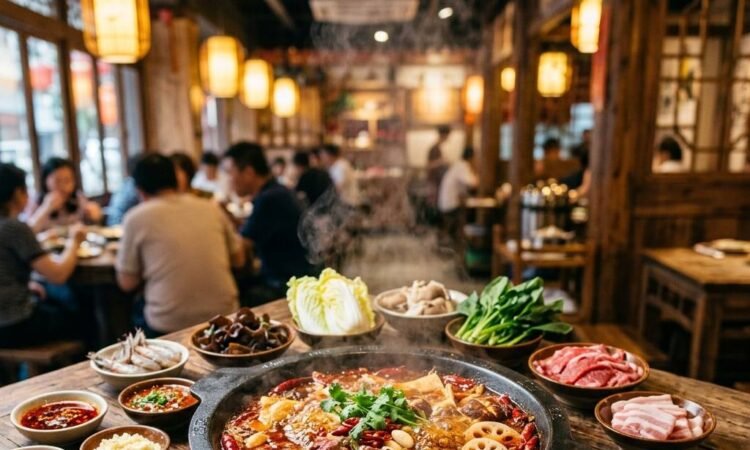
Szechuan cuisine is one of the boldest and most exciting food traditions in China. It is famous for deep flavor, rich aromas, and the famous mix of heat and tingle that many people know as mala.
If you have seen Szechuan chicken, Szechuan sauce, or a spicy Szechuan menu at a restaurant, you may already know the name. But the real story of Szechuan cooking goes far beyond one spicy dish. It is layered, regional, and full of history, and that is what makes it so memorable.
What Is Szechuan Cuisine?
Szechuan is an older spelling of Sichuan, a province in southwestern China. In food writing, both names are still common, especially in the United States, where Szechuan remains popular on menus and in searches.
What makes this cuisine special is balance. Yes, it can be hot, but true Szechuan Flavor is not only about fire. It blends spicy, numbing, sweet, sour, salty, smoky, and fragrant notes in ways that feel lively and complete.
| Topic | Quick Answer |
| Szechuan meaning | An older romanized spelling of Sichuan, the Chinese province known for bold cuisine |
| Szechuan pronunciation | Usually said as “Szech-wahn” or close to “Suh-chwan” in English |
| Szechuan in Chinese | 四川 |
| Best-known flavor | Mala, the mix of chili heat and Szechuan pepper numbness |
| Key sauce base | Doubanjiang, a fermented broad bean chili paste |
| Famous food cities | Chengdu and Chongqing |
| Common dishes | Mapo tofu, Kung Pao chicken, dan dan noodles, hotpot |
| Regional substyles | Shanghebang, Xiaohebang, and Xiahebang |
Quick identity
The heart of Szechuan cuisine lies in layered seasoning and smart technique. A good dish feels bold, but it also feels controlled.
Szechuan Meaning and Szechuan in Chinese
The Szechuan meaning is tied to geography and language. It refers to Sichuan, written in Chinese as 四川, a region with a strong food culture and a long culinary history.
Many English speakers still use Szechuan because it became common in older Chinese restaurant menus. So when you see Szechuan beef or Szechuan sauce, you are usually looking at dishes inspired by Sichuan cuisine, even if the spelling is different.
Why the old spelling still matters
In the U.S., Szechuan is still a highly searched term. That makes it important for both SEO and clear reader understanding.
Szechuan Pronunciation Made Simple
The Szechuan pronunciation can confuse many people at first. In everyday English, people often say “Szech-wahn”, while a closer Mandarin-based sound is more like “Suh-chwan.”
You do not need perfect pronunciation to enjoy the food, of course! Still, knowing the name helps you feel more confident when reading a Szechuan menu or talking about regional Chinese cooking with more accuracy.
Simple tip
If you say it clearly and gently, most people will understand you. The food matters most, and the flavor says the rest!
Why Szechuan Flavor Stands Out
Real Szechuan Flavor is intense, but it is not one-note. The cuisine is known for combining many taste layers in one dish, so you may taste heat, citrusy spice, sweetness, and savory depth all at once.
This is why many food lovers become hooked after one great meal. A strong Szechuan dish does not just burn your mouth. It creates contrast, movement, and a kind of rhythm that keeps each bite interesting.
The big idea
A great Szechuan plate feels like a full performance, not a single loud sound.
The Famous Power of Mala
Mala is the best-known flavor in Szechuan cooking. The word joins ma, the numbing effect, with la, the spicy heat from chilies.
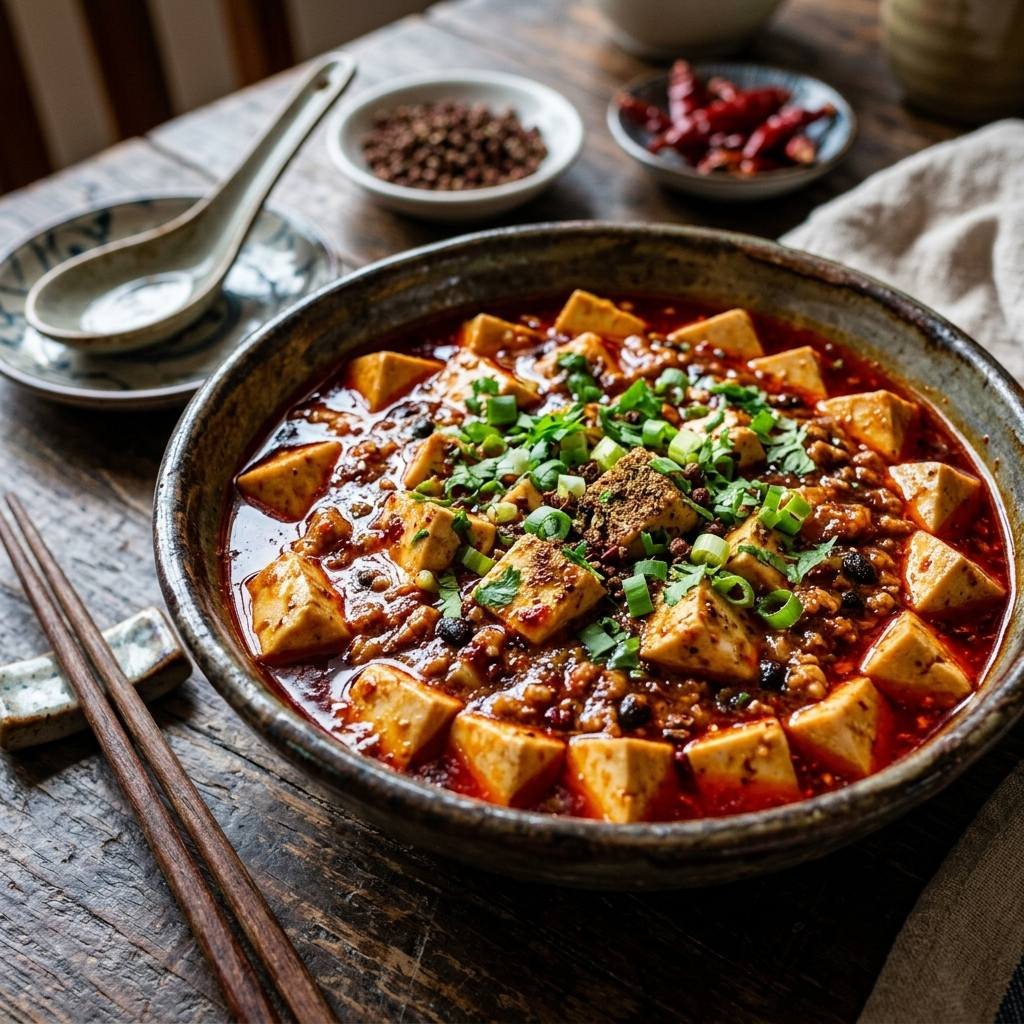
This flavor comes alive when Szechuan pepper meets dried or fresh chili. When used well, mala is thrilling rather than harsh. It wakes up the mouth, brightens rich food, and gives dishes like mapo tofu and hotpot their famous character.
Why people remember it
The tingle of mala is unforgettable. It feels unusual at first, then strangely addictive.
Szechuan Pepper and Its Unique Tingle
Szechuan pepper is one of the most important ingredients in the cuisine. It is not a black pepper or a chili. It comes from the husk of a prickly ash berry and has a citrusy, floral smell.
Its magic is the numb, buzzing feeling it creates on the lips and tongue. That effect is what gives many dishes their signature edge. Without Szechuan pepper, many classic recipes would lose the spark that makes them stand apart.
Flavor note
Think of Szechuan pepper as bright, fragrant, and electric rather than simply hot.
Doubanjiang: The Soul of Szechuan Sauce
If Szechuan pepper is the spark, doubanjiang is the deep foundation. This fermented broad bean chili paste adds salt, umami, color, and a rich aged taste to many classic dishes.
Many versions of Szechuan sauce start with or are shaped by this ingredient. It brings depth to mapo tofu, twice-cooked pork, and water-poached fish. One spoonful can make a dish taste fuller, rounder, and more authentic.
Kitchen shortcut
If you want better Szechuan cooking at home, start by buying a good doubanjiang.
Chengdu and Chongqing: Two Great Food Centers
You cannot talk about Szechuan without mentioning Chengdu and Chongqing. Chengdu is often linked with refined flavors, snack culture, and broad culinary influence. It is also widely recognized as a center of serious food tradition.
Chongqing, once part of Sichuan, is famous for stronger heat, hearty dishes, and dramatic hotpot culture. The overlap between the two places is strong, but each city brings its own mood, pace, and style to the table.
Food traveler’s note
If Chengdu feels layered and elegant, Chongqing often feels bold, direct, and fiery.
Shanghebang: Balanced and Refined
Shanghebang is one of the major regional substyles of Szechuan cuisine. It is tied to areas such as Chengdu and Leshan, and it is often described as richly seasoned but relatively lighter in taste.
This style is important because it shows that Szechuan Flavor is not always aggressive. Shanghebang focuses on balance, detail, and polished flavor structure. It often reflects banquet traditions and more classical forms of cooking.
How to think of it
Shanghebang is a good place to start if you want a gentler, more elegant side of Szechuan.
Xiaohebang: Rich, Salty, and Bold
Xiaohebang comes from southern Sichuan areas such as Zigong, Yibin, Luzhou, and Neijiang. It is known for stronger, fuller tastes and for dishes that may lean salty, spicy, sweet, and sour at the same time.
This substyle has real personality. It can feel intense in the best way, with preserved ingredients, strong seasoning, and a deep love for impact. If you enjoy a punchy dish that leaves a lasting impression, Xiaohebang offers plenty to explore.
Regional feel
This style shows how local ingredients and preservation methods shape flavor in powerful ways.
Xiahebang and the Chongqing Spirit
Xiahebang is closely linked with Chongqing and nearby areas. This style often reflects the city’s love of robust heat, heavy chili use, and dramatic dishes that fit group dining and cold, damp weather.
When people imagine a fiery Szechuan menu, they are often picturing something close to Xiahebang. Think bubbling broths, lots of aromatics, red oil, and foods that are deeply warming and exciting to eat.
Best-known expression
Many people meet Xiahebang for the first time through Chongqing hotpot.
Szechuan Cooking Techniques That Matter
The power of Szechuan cooking does not come from seasoning alone. Technique matters just as much. Common methods include dry-frying, dry-braising, water-poaching, smoking, stir-frying, and preserving through pickling or drying.
These methods help shape texture and aroma. Dry-fried green beans become wrinkled and smoky. Shui zhu dishes turn tender ingredients into bold, broth-based meals. In this cuisine, technique carries flavor into every corner of the dish.
Helpful idea
In Szechuan cooking, how food is cooked is often as important as what goes into it.
Classic Dishes That Define the Cuisine
A few dishes appear again and again because they show the cuisine so well. Mapo tofu, Kung Pao chicken, dan dan noodles, twice-cooked pork, and fish-fragrant shredded pork are some of the best-known examples.
Each one highlights a different side of the region. Mapo tofu shows mala and doubanjiang. Kung Pao chicken brings sweet, sour, savory, and nutty balance. Dan dan noodles capture the street-food soul of Chengdu in one bowl.
Start here
If you are new, these classics give you a smart introduction to core Szechuan Flavor.
Hotpot and the Social Side of Szechuan
Few meals feel as lively as Szechuan hotpot. A pot of bubbling broth, heavy with chilies and Szechuan pepper, sits in the center while people cook meats, vegetables, tofu, and noodles together.
It is more than food. It is an experience built around sharing, talking, and eating at your own pace. In Chongqing, hotpot is almost a symbol of local food culture, and its heat matches the city’s bold culinary identity.
Why it matters
Hotpot shows how Szechuan food can be communal, dramatic, and deeply comforting at once.
Street Food and Small Eats in Chengdu
The snack culture of Chengdu is a huge part of the Szechuan story. Small dishes, often called xiao chi, bring big flavor in compact form and let people sample many tastes in one sitting.
Favorites include dan dan noodles, red oil wontons, zhong shui jiao, bang bang chicken, and spicy cold dishes. These foods are quick, affordable, and full of character, which is why they remain central to daily eating and food tourism alike.
A delicious truth
Sometimes the fastest way to understand Szechuan is through its snacks, not its banquet dishes.
Szechuan Sauce in Restaurants and at Home
In many Western restaurants, Szechuan sauce can mean a sweet, spicy, garlicky sauce used on stir-fried meats. It may be tasty, but it is often a simplified version of real regional flavor.
Traditional sauces in Szechuan cuisine are more varied. Some are based on mala, some on yuxiang, some on sesame, garlic, chili oil, vinegar, or fermented paste. So the phrase Szechuan sauce can describe many flavor profiles rather than one fixed recipe.
Good to know
If you want authenticity, look for flavor names like mala, yuxiang, or guaiwei, not just a generic sauce label.
How to Read a Szechuan Menu
A true Szechuan menu often gives clues about flavor and style if you know what to look for. Words such as mala, yuxiang, dry-fried, water-poached, and twice-cooked tell you a lot before the plate even arrives.
It also helps to notice ingredients like doubanjiang, pickled vegetables, garlic, ginger, chili oil, sesame paste, and Szechuan pepper. Once you learn these signs, ordering becomes easier, and the menu starts to feel much more exciting.
Simple menu tip
Choose one noodle, one vegetable, one cold dish, and one signature main for a balanced first meal.
Beyond Heat: The Real Depth of Szechuan
Many people think Szechuan food is only about spice. That idea misses the best part. The cuisine is really about structure, contrast, aroma, and a wide range of taste combinations that go far beyond raw heat.
That is why it has such staying power. Whether you eat fish-fragrant eggplant, tea-smoked duck, or a bowl of hot and sour noodles, you find thoughtfulness behind the boldness. The best dishes feel carefully built, not just loudly seasoned.
Final flavor note
The true gift of Szechuan cuisine is complexity made enjoyable and approachable.
Why Szechuan Cuisine Still Captures the World
Szechuan cuisine continues to win fans because it is exciting without being narrow. It has famous dishes for beginners, regional depth for serious food lovers, and enough flavor variety to stay interesting for years.
From Shanghebang refinement to Xiaohebang intensity and Xiahebang fire, it offers more than one version of greatness. If you want a cuisine with history, identity, and unforgettable taste, Szechuan deserves a place near the top of your list.
Takeaway
Learn the flavors, notice the regions, and try more than one dish. That is when Szechuan really opens up.
FAQs
1. What is Szechuan cuisine known for?
Szechuan cuisine is known for bold, layered flavor, especially the mix of chili heat and numbing Szechuan pepper called mala. It is also famous for dishes like mapo tofu, Kung Pao chicken, and hotpot.
2. What is the difference between Sichuan and Szechuan?
There is no difference in meaning. Szechuan is an older English spelling of Sichuan, the Chinese province written as 四川.
3. What does Szechuan taste like?
Real Szechuan Flavor can be spicy, numbing, savory, smoky, sweet, sour, and fragrant. It is usually more complex than simply “hot.”
4. What is Szechuan sauce made of?
A Szechuan sauce may include chili oil, garlic, ginger, soy sauce, vinegar, sugar, and sometimes doubanjiang or sesame. In authentic cooking, there are many different sauce styles rather than one single standard version.
5. Is Szechuan food always very spicy?
No. While many dishes are spicy, true Szechuan cooking is about balance and variety. Some dishes are mild, aromatic, smoky, or tangy rather than intensely hot.