The 1920s brought about a massive shift in culture, entertainment, and how people viewed fame. For the first time in history, mass media like radio and motion pictures allowed everyday people to feel deeply connected to their favorite stars. This era gave birth to the modern concept of fame, and 1920s celebrities became global icons whose influence we still feel today. From jazz musicians to silent film actors, these individuals captured the hearts of millions.
Key Takeaways
- The rise of Hollywood created the first generation of global movie stars.
- Jazz music revolutionized the entertainment industry, making musicians household names.
- Sports figures became larger-than-life heroes thanks to widespread newspaper and radio coverage.
- The fashion and lifestyles of 1920s celebrities heavily influenced the general public.
- Mass media, especially radio and cinema, played a crucial role in building celebrity status.
Introduction to the Golden Age of Fame
Before the 1920s, fame looked very different. People knew about politicians and military leaders, but entertainers rarely achieved widespread, international adoration. The 1920s changed everything. With the rapid expansion of the film industry and the invention of commercial radio, audiences could suddenly see moving images of actors and hear the actual voices of singers in their living rooms. This sudden accessibility turned performers into demigods.
The public became obsessed with the private lives of 1920s celebrities. Fan magazines began flying off the shelves, detailing everything from what these stars ate for breakfast to who they were dating. This intense fascination laid the groundwork for the modern celebrity culture we know right now. People wanted to dress like them, talk like them, and live the glamorous lives they saw portrayed on the silver screen.
Movie Stars of the Silent Screen
Hollywood blossomed during this decade, producing silent films that relied heavily on visual expression rather than spoken dialogue. Because the films had no language barrier, the actors who starred in them achieved worldwide fame almost overnight. These movie stars became some of the most wealthy and influential 1920s celebrities.
Charlie Chaplin: The Little Tramp
Few names are as instantly recognizable as Charlie Chaplin. With his trademark bowler hat, cane, and small mustache, Chaplin created “The Little Tramp,” a character beloved by audiences around the globe. He was a master of physical comedy, but his films also possessed a deep emotional core that resonated with working-class people. Chaplin was not just an actor; he wrote, directed, and produced his own films, giving him unprecedented creative control over his career. His immense success made him one of the most powerful 1920s celebrities in Hollywood.
Clara Bow: The Original “It” Girl
Clara Bow captured the spirit of the Roaring Twenties perfectly. Known as the original “It” girl after starring in the 1927 smash hit movie It, she embodied the modern, independent flapper. Young women everywhere copied her bold makeup, bobbed hair, and carefree attitude. Bow received thousands of fan letters every week and consistently broke box office records. She represented a new type of woman who was energetic, rebellious, and unapologetically themselves.
Rudolph Valentino: The Great Lover
When it comes to sheer heartthrobs among 1920s celebrities, Rudolph Valentino stands at the top. This Italian-born actor starred in wildly popular films like The Sheik and Blood and Sand. His exotic good looks and intense on-screen passion caused mass hysteria among his female fans. Tragically, Valentino passed away at the young age of 31 in 1926. His untimely death caused widespread mourning, with tens of thousands of fans lining the streets of New York for his funeral.
Legends of Jazz and Music
The 1920s is often called the Jazz Age, a term coined by F. Scott Fitzgerald. This upbeat, syncopated music style originated in African American communities in New Orleans before sweeping the entire nation. The musicians who pioneered this sound quickly rose to become some of the most influential 1920s celebrities.
Louis Armstrong: A Jazz Pioneer
Louis Armstrong, affectionately known as “Satchmo,” fundamentally changed the course of music. His brilliant trumpet playing and distinct, gravelly singing voice made him a standout star. Armstrong shifted the focus of jazz from collective improvisation to solo performances, showcasing individual brilliance. His energetic performances and infectious smile made him a beloved figure across racial divides during a highly segregated era.
Bessie Smith: The Empress of the Blues
Bessie Smith was the most popular and successful female blues singer of the 1920s. Known as the “Empress of the Blues,” she possessed a powerful, soulful voice that captivated audiences everywhere she went. Smith recorded extensively with Columbia Records and toured heavily, becoming the highest-paid Black entertainer of her day. Her music tackled themes of independence, sorrow, and resilience, making her a vital voice among 1920s celebrities.
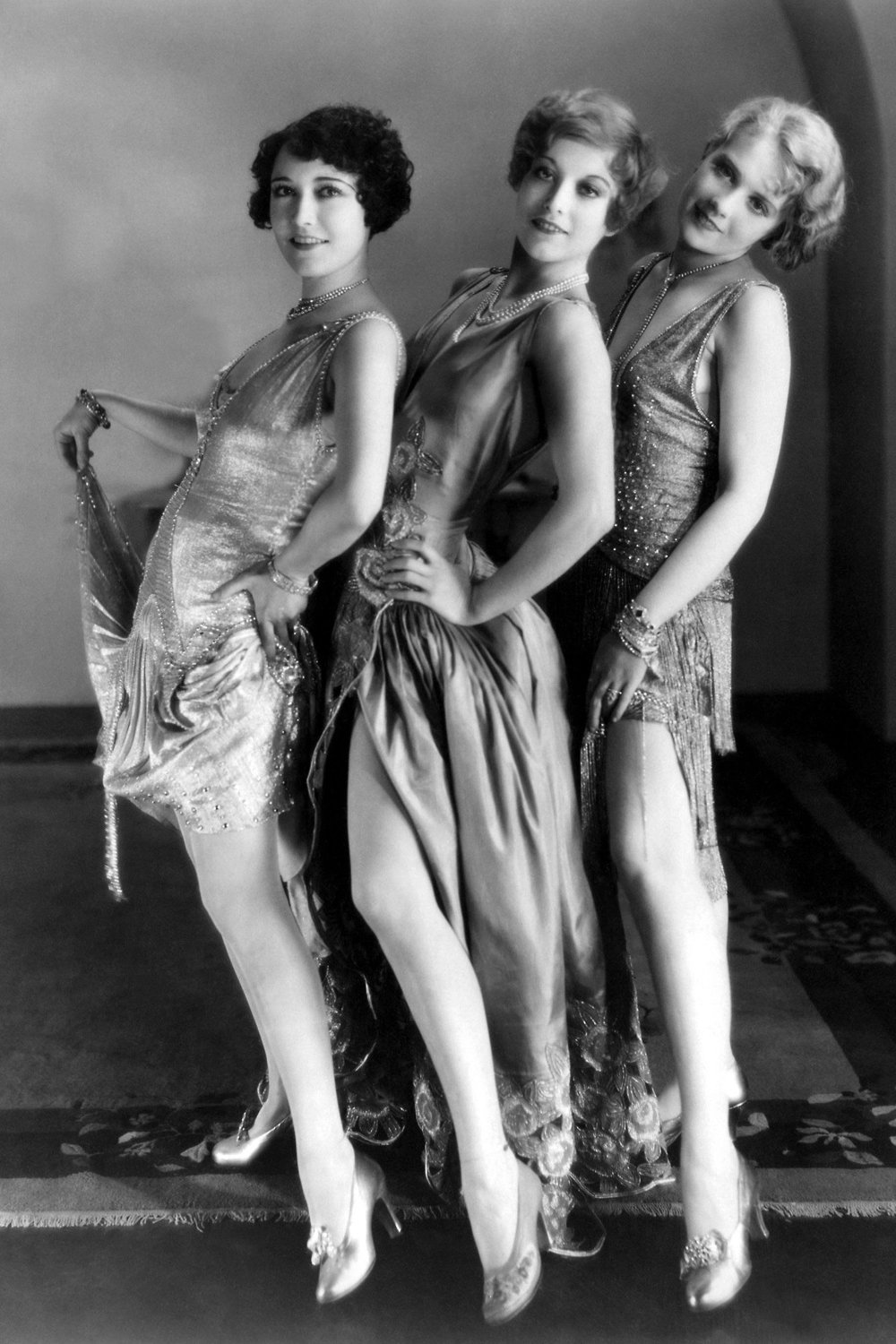
Mandatory Credit: Photo by JTavin/Everett/REX Shutterstock (581249ap)
‘OUR DANCING DAUGHTERS’, Dorothy Sebastian, Joan Crawford, Anita Page, 1928
VARIOUS FILMS-1920S
Famous 1920s Celebrities and Their Fields
To understand the sheer variety of talent during this era, take a look at this breakdown of prominent figures and what made them famous.
|
Name |
Profession |
Known For |
|---|---|---|
|
Charlie Chaplin |
Actor/Director |
The Little Tramp character, silent film comedy |
|
Babe Ruth |
Baseball Player |
Setting home run records, saving baseball’s popularity |
|
Louis Armstrong |
Musician |
Pioneering jazz solos, distinct vocal style |
|
Clara Bow |
Actress |
The ultimate “It” girl, flapper icon |
|
F. Scott Fitzgerald |
Author |
Writing The Great Gatsby, defining the Jazz Age |
Sports Heroes of the Decade
The 1920s marked the Golden Age of Sports. With people enjoying more leisure time and extra income, attending sporting events became a favorite national pastime. Newspapers dedicated entire sections to athletics, and radio broadcasts brought the excitement of the game directly into homes. This media blitz turned athletes into massive 1920s celebrities.
Babe Ruth: The Sultan of Swat
George Herman “Babe” Ruth is arguably the most famous athlete in American history. Playing primarily for the New York Yankees, Ruth revolutionized baseball by hitting home runs at a rate previously thought impossible. After the Black Sox scandal of 1919 nearly ruined the sport’s reputation, Ruth’s larger-than-life personality and spectacular play brought fans flocking back to the stadiums. He was a flamboyant figure who loved hot dogs, late nights, and the spotlight.
Jack Dempsey: The Heavyweight Champion
Boxing was enormously popular during the twenties, and Jack Dempsey was its undisputed king. Known as the “Manassa Mauler,” Dempsey held the World Heavyweight Championship from 1919 to 1926. His aggressive fighting style and devastating punching power made him a massive draw. His fights set financial and attendance records, and he became one of the first 1920s celebrities to earn over a million dollars for a single performance.
Literary Giants and Thinkers
Fame wasn’t just reserved for those on screen or on the field. The writers and thinkers of the era also achieved incredible notoriety. They captured the post-war disillusionment and the frantic partying of the decade, making them cultural icons.
F. Scott Fitzgerald: Voice of a Generation
F. Scott Fitzgerald became the ultimate spokesperson for the Roaring Twenties. His novel The Great Gatsby remains the definitive literary work of the decade, exploring themes of wealth, excess, and the American Dream. Fitzgerald himself lived a life of glamour and extravagance, matching the characters in his books.
Zelda Fitzgerald: The First American Flapper
You cannot talk about F. Scott without mentioning his wife, Zelda. Her husband famously dubbed her “the first American flapper.” She was a talented writer and artist in her own right, and her wild, unconventional behavior frequently made newspaper headlines. Together, they were the ultimate power couple among 1920s celebrities.
The Impact of 1920s Celebrities on Fashion
The stars of the 1920s completely rewrote the rules of fashion. When actresses like Joan Crawford and Clara Bow chopped their hair into short bobs, millions of women rushed to the salon to do the same. 1920s celebrities popularized the drop-waist dresses, cloche hats, and bold makeup that defined flapper style. Men also took fashion cues from stars like Rudolph Valentino, adopting slicked-back hair and tailored, well-fitted suits. For the first time, fans could buy mass-produced clothing modeled directly after what their favorite stars wore.
How Radio Changed Celebrity Culture
Radio acted as the great unifier of the 1920s. Before radio networks spanned the country, people relied on local newspapers for information. Suddenly, millions of people could tune in to listen to the exact same broadcast at the exact same time. This shared experience meant that a singer or comedian could perform once and reach an entire nation instantly. Radio made voices familiar, building an intimate bond between the performer and the listener. This technology was essential in catapulting local talents to the level of national 1920s celebrities.
Frequently Asked Questions (FAQ)
Who was the most famous person in the 1920s?
While it is hard to pick just one, Charlie Chaplin and Babe Ruth were universally recognized around the world. Chaplin dominated the global film market, while Ruth was the undisputed king of American sports.
How did 1920s celebrities communicate with fans?
Unlike today’s instant social media, 1920s celebrities relied heavily on fan magazines, highly publicized interviews, and extensive fan mail networks managed by the movie studios.
Did 1920s stars make a lot of money?
Yes, the top stars earned incredible wealth. Actors like Mary Pickford and athletes like Jack Dempsey commanded salaries that translated to millions of dollars in modern currency.
What happened to silent film stars when “talkies” were invented?
The transition to sound films in the late 1920s ruined several careers. Some stars had voices that did not match their on-screen personas, or they struggled with English accents, leading to their decline in popularity.
Conclusion
The Roaring Twenties forever changed how society views fame. The individuals who rose to prominence during this decade set the blueprint for modern stardom. From the physical comedy of Charlie Chaplin to the booming bat of Babe Ruth, these 1920s celebrities offered escapism, excitement, and inspiration to a generation stepping into the modern age. They broke records, shattered cultural norms, and left behind a legacy of entertainment that continues to fascinate us nearly a century later.
To learn more about how media shapes our view of stars today, you can explore the insights over at Reels on Media, and for a deeper dive into the historical context of the era that created these legends, feel free to visit Wikipedia.