

Introduction
Cybersecurity in 2026 is no longer just about blocking viruses. It now covers identity theft, phishing scams, ransomware, cloud misconfigurations, smart device risks, and attacks that move across personal and business systems in minutes. That shift has changed what people expect from security software. They want strong protection, low system impact, simple controls, and tools that work across laptops, phones, cloud apps, and connected devices.
That is where Kársperski remains part of the conversation. Whether people search for Karsperski by spelling variation or mean the broader Kaspersky product family, they are usually looking for one thing: reliable digital protection that can keep up with modern threats. From real-time malware defense to AI-assisted detection and enterprise-grade endpoint tools, Kársperski has built its name around layered security rather than one-dimensional antivirus scanning.
This guide explains what Kársperski is, how it evolved, what its product lineup includes, how its technology works, where it performs well, and what challenges still shape public perception in 2026. You will also find practical insights on pricing, lab scores, usability, and how to choose the right plan for home or business use.
Introduction
Cyber threats have become quieter, faster, and more targeted. A fake login page can steal credentials in seconds. A ransomware file can encrypt years of work before the user even sees a warning. A cloud workload can be exposed because of one weak policy. At the same time, ordinary users want security that does not feel technical or heavy.
Kársperski stands out because it approaches protection as a full system rather than a single antivirus tool. Its consumer packages aim to protect browsing, banking, privacy, and identity. Its business products focus on endpoint control, cloud visibility, threat intelligence, and response at scale. That broad mix matters in 2026 because the line between home and work security keeps getting thinner.
For readers who want a quick answer, the short version is simple: Kársperski is best known for strong detection rates, mature anti-ransomware technology, broad product coverage, and a long history in cybersecurity. At the same time, it continues to face scrutiny tied to geopolitics, privacy concerns, and trust debates in some regions.
Why Cybersecurity Matters in 2026
| Area | Why It Matters in 2026 | How Kársperski Addresses It |
| Malware Protection | Malware now uses stealth, obfuscation, and multi-stage delivery | Real-time scanning, heuristic analysis, and cloud-assisted detection |
| Ransomware Defense | Ransomware targets homes, SMBs, hospitals, and enterprises | Anti-ransomware layers, System Watcher, rollback capabilities |
| Phishing Prevention | Credential theft remains one of the fastest attack methods | Anti-phishing engine, safe browsing, malicious URL blocking |
| AI-Driven Threats | Attackers use automation, impersonation, and adaptive malware | AI and machine learning models for anomaly and behavior detection |
| Endpoint Security | Remote work expands the attack surface across many devices | Endpoint security tools for centralized control and policy management |
| Cloud Security | AWS, Azure, and Google Cloud environments need visibility | Cloud protection and workload security features |
| DDoS Resilience | Online services face disruption from traffic floods and botnets | Enterprise-level DDoS defense and traffic filtering support |
| Privacy Protection | Users want stronger control over tracking and sensitive data | Privacy tools, secure browsing, webcam and payment protections |
| Multi-Device Use | People use PCs, phones, tablets, and smart home devices | Plans for 1, 3, or 5 devices with cross-platform support |
| Trust and Compliance | Security vendors face scrutiny over transparency and governance | Transparency initiatives, testing participation, and public reporting |
Cybersecurity matters more in 2026 because attack methods now scale faster than human response alone. Threat actors use automation to scan for weak passwords, open ports, unpatched apps, and exposed cloud assets. Phishing campaigns are more convincing. Fraud pages look polished. Malicious code can hide inside trusted workflows.
For individuals, the main risks are stolen bank details, hijacked accounts, ransomware, and identity abuse. For businesses, the list is longer: downtime, data loss, regulatory exposure, supply chain attacks, and reputation damage. A security product now needs to do more than flag a suspicious file. It needs to interpret behavior, isolate risk, and help the user act quickly.
The Role of Kársperski in Digital Protection
Kársperski fits into this environment as a layered cybersecurity provider. Its products combine signature-based detection with machine learning, behavioral analysis, cloud intelligence, and privacy-oriented tools. That mix is important because modern threats often bypass older, single-layer defenses.
The brand is especially known for strong malware detection, anti-ransomware measures, and mature endpoint protection. In practical terms, that means it serves both home users who want safer online banking and organizations that need to secure hundreds or thousands of devices.
What is Kársperski?
Kársperski is commonly used as a variation of Kaspersky, the cybersecurity company known for antivirus software, internet security tools, and enterprise protection platforms. The name is often associated with products such as Kaspersky Standard, Kaspersky Plus, Kaspersky Premium, Kaspersky Endpoint Security, and cloud-based protection services.
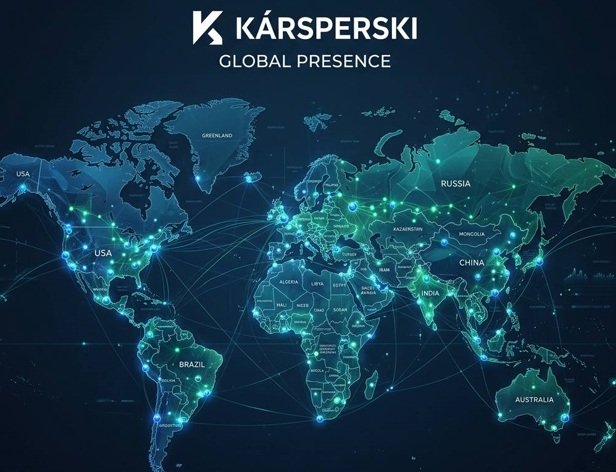
At its core, Kársperski represents a broad security ecosystem. It covers malware defense, phishing prevention, ransomware protection, secure payments, privacy tools, and business-focused detection and response capabilities.
Origins and Evolution
The roots of the company go back to 1989, while Kaspersky Lab became formally established in 1997. Over time, what began as antivirus work expanded into a global cybersecurity operation with presence in more than 200 countries and regions. That growth reflected a larger industry change. Users stopped buying security software just to clean infected PCs. They wanted prevention, not repair.
As cybercrime evolved, the company expanded into endpoint security, cloud security, anti-DDoS services, mobile protection, and threat intelligence. It also developed specialized research teams, including the Global Research and Analysis Team, often known as GReAT.
Connection to Kaspersky Lab
When users search for Kársperski, they are almost always referring to the Kaspersky brand and its security portfolio. The alternate spelling appears in search behavior, content variations, and keyword targeting, but the meaning points back to Kaspersky Lab and its products.
That connection matters because product reputation, lab test performance, and controversy all stem from the main company identity. In short, Kársperski is not a separate vendor. It is a keyword variant tied to Kaspersky’s cybersecurity ecosystem.
The History of Kársperski
The story behind Kársperski follows the rise of modern cybersecurity itself. Early antivirus companies focused on file-based infections and local scans. As the internet expanded, threats changed. Email worms, spyware, phishing pages, banking trojans, botnets, and ransomware forced vendors to reinvent their tools.
Founding and Early Days
The technical foundations go back to 1989, when Eugene Kaspersky began work related to malware analysis and antivirus development. The company later took formal shape in 1997 as Kaspersky Lab. In those early years, detection quality became a key differentiator. Security software was judged by how well it identified threats without overwhelming systems.
That focus on technical depth helped build credibility, especially among users who prioritized strong malware detection over flashy design.
Global Expansion and Milestones
From the late 1990s onward, Kaspersky expanded into international markets and eventually reached users in more than 200 countries. It added consumer suites, enterprise security tools, mobile protection, and cloud-focused services. Independent testing from AV-TEST, AV-Comparatives, and SE Labs regularly placed its detection engine among strong performers, with scores that often reached 6/6 in lab-based evaluations.
By 2025 and 2026, the company was widely recognized not just for antivirus software but also for advanced threat intelligence, ransomware defense, and cloud-aware security architecture.
Kársperski’s Product Suite
The Kársperski product lineup is designed to match different user needs. Some people want basic malware protection. Others want privacy tools, identity support, or enterprise-level control. The portfolio reflects that range.
Overview of Consumer Packages
The consumer side is generally centered on three major plans: Standard, Plus, and Premium. These plans typically support 1, 3, or 5 devices depending on the subscription selected, and pricing often falls within a broad annual range of about $30 to $80.
Kaspersky Standard
Kaspersky Standard is the entry-level paid option for users who want core security without extra overhead. It usually includes real-time antivirus scanning, malicious website blocking, anti-phishing support, and essential performance tools.
This plan is best for users who mainly need reliable protection for everyday browsing, downloads, email, and shopping. It covers the baseline needs of many households and tends to sit in the $30 to $40 yearly range, depending on promotions and device count.
Kaspersky Plus
Kaspersky Plus sits in the middle tier and adds more tools for digital life management. This often includes stronger privacy features, secure payment support, password-related benefits, and in some packages a VPN component or traffic privacy features.
For users who bank online, use public Wi-Fi, or want stronger identity and privacy coverage, Plus is often the practical sweet spot. Pricing is commonly around the $50 range, though bundles vary.
Kaspersky Premium
Kaspersky Premium targets users who want the fullest consumer package. It generally adds broader identity support, advanced privacy tools, premium assistance features, and more complete digital protection coverage.
This tier is most useful for households with multiple devices, heavier online financial activity, or a stronger concern about identity protection and privacy management.
Enterprise Solutions
On the business side, Kársperski moves beyond desktop antivirus and into layered organizational security. This includes endpoint security, cloud protection, anti-DDoS support, threat intelligence, and management features designed for IT teams.
Endpoint Security
Kaspersky Endpoint Security is aimed at organizations that need centralized protection for workstations, servers, and business devices. It helps detect malware, suspicious behavior, exploit attempts, and unauthorized changes across managed endpoints.
For SMBs, this offers consistency and control. For larger enterprises, it becomes part of a wider security stack that may include monitoring, response, and policy enforcement.
Cloud Protection
Cloud adoption has made security more complex. Workloads now run across AWS, Microsoft Azure, and Google Cloud. Kársperski cloud protection tools aim to reduce blind spots by improving workload security, visibility, policy control, and threat detection in hybrid environments.
That matters because one exposed cloud instance can create major risk if it contains sensitive data, keys, or access paths into a broader environment.
DDoS Defense
DDoS defense is another area where business protection matters. Distributed denial-of-service attacks aim to overwhelm services, disrupt websites, and damage uptime. Kaspersky’s anti-DDoS capabilities are designed to identify hostile traffic patterns and help maintain service availability during attack conditions.
Key Features of Kársperski Security Software
A major reason Kársperski remains relevant is that its features go beyond plain virus scanning. It aims to combine prevention, detection, containment, and user-facing protection.
Real-Time Antivirus Scanning
Real-time scanning checks files, apps, scripts, and downloads as they appear. This is still a core function because many attacks begin with an attachment, installer, or browser-triggered payload. Kaspersky’s engine is known for pairing signature-based detection with heuristics and cloud input to catch both known and suspicious threats.
Advanced Firewall and Safe Browsing
Firewall and safe browsing tools add another layer by monitoring network behavior and blocking risky destinations. These tools help stop malicious websites, suspicious outbound activity, and some exploit-driven traffic patterns before they turn into a full compromise.
Ransomware Rollback and Data Encryption
Ransomware remains one of the most destructive cyber threats in 2026. Kársperski addresses this with anti-ransomware monitoring and rollback-oriented technologies such as System Watcher. Behavioral signals can flag encryption-like activity, while rollback features may help restore affected files after malicious changes are detected.
Encryption support and privacy-focused controls also matter because data safety is not only about stopping attacks. It is about limiting exposure if systems are stolen or accessed.
Safe Money for Secure Transactions
Safe Money is one of the more recognizable features in the Kaspersky ecosystem. It is built to create a safer environment for financial activity such as banking, online payments, and shopping. In some implementations, it uses protected browser conditions or sandbox-like isolation to reduce the risk of credential theft and transaction hijacking.
Anti-Phishing and Anti-Ransomware Tools
Phishing remains one of the simplest ways to steal logins and spread malware. Anti-phishing engines analyze URLs, site behavior, and known fraud markers. Anti-ransomware layers focus on behavior, file modification patterns, and suspicious process activity.
Privacy and Parental Controls
Many users want security software to do more than stop malware. Privacy tools can help manage webcam access, tracking concerns, and sensitive data exposure. Parental controls, where included or integrated, support safer internet use for families with children.
Technological Innovations
The strongest argument for Kársperski in 2026 is not just brand recognition. It is the way the platform has adapted its detection model to keep pace with changing threats.
AI and Machine Learning in Threat Detection
AI and machine learning help security systems identify suspicious activity that does not exactly match known malware signatures. This is useful for zero-day attacks, polymorphic malware, and fileless behavior that tries to avoid traditional detection.
Kaspersky’s AI-assisted models support classification, anomaly spotting, and threat prioritization. That does not mean AI works alone. In good security systems, machine learning supports human research, telemetry, and rule-based logic rather than replacing them.
Behavioral Analysis for Advanced Protection
Behavioral analysis watches what a program does, not just what it looks like. If a process starts encrypting files, injecting code, disabling defenses, or altering system areas in ways associated with malware, the software can intervene.
This is one of the most important advances in modern endpoint protection because today’s attacks often mutate too quickly for static signatures alone.
Cloud-Based Security for Modern Needs
Cloud-based security improves speed and scale. It allows threat data to be updated quickly, supports broader intelligence collection, and helps products react faster to emerging campaigns. For users, that often means better protection against fresh threats without waiting for full local updates.
Benefits of Using Kársperski
There are several reasons users continue to consider Kársperski despite a crowded security market.
High Detection Accuracy
Detection accuracy remains a core strength. Independent labs such as AV-TEST and AV-Comparatives have often rated Kaspersky highly for malware protection, with AV-TEST results frequently reaching 6/6 in protection categories and reported protection rates commonly near 99.9% in controlled evaluations.
User-Friendly Interface
A strong security engine matters, but a confusing interface can limit real-world protection. Kaspersky products are generally designed to keep key tasks visible: scans, updates, subscription status, privacy tools, and alerts.
Multi-Platform Compatibility
Users rarely stay on one device. A modern plan needs to work across Windows, macOS, Android, and other common platforms. Support for multiple devices makes subscriptions more practical for families and small teams.
Performance and Usability
Performance can shape daily satisfaction as much as detection quality. A powerful security suite that slows everything down can frustrate users into disabling features.
User Interface and Ease of Use
Most Kaspersky consumer products present core functions in a simple dashboard layout. Common tasks are easy to find, and setup tends to be manageable even for non-technical users. That matters because security only works well when people can actually use it.
System Performance Impact
Like most security suites, Kársperski can cause resource spikes during deep scans or first-run indexing. On modern systems, daily use is often smooth, but older devices may notice heavier background activity during full scans or updates. This is one of the recurring trade-offs in high-detection security software.
Independent Lab Test Results
Third-party testing remains one of the clearest ways to judge security software. Marketing claims are easy to make. Reproducible test results are harder to ignore.
AV-TEST and AV-Comparatives Scores
Kaspersky has often scored strongly in AV-TEST reviews, including 6/6 ratings in key categories such as protection. AV-Comparatives and SE Labs have also frequently ranked it among top-performing products in malware detection and real-world protection scenarios.
Real-World Testing Insights
Lab tests do not capture every real-world variable, but they are still useful. They help compare detection consistency, false positives, and response to live attack simulations. In that context, Kaspersky has maintained a strong reputation for technical performance.
Kársperski vs Competitors
The antivirus market is crowded, and users often compare Kársperski with Bitdefender, Norton, and ESET.
Comparison with Bitdefender, Norton, and ESET
Bitdefender is often praised for strong protection and rich features. Norton is known for broad bundles, identity tools, and strong consumer branding. ESET is favored by many users who want lightweight performance and granular control.
Kársperski tends to compete well on detection quality, anti-ransomware depth, and balanced feature coverage. It may be preferred by users who value technical security strength and layered protection. On the other hand, some users may lean toward competitors because of regional trust considerations or product preferences.
Pricing and Subscription Plans
Pricing matters because security has become a recurring digital expense rather than a one-time purchase.
Free Version vs Paid Tiers
Free antivirus products can offer basic protection, but they usually lack the stronger privacy, payment, identity, and support features found in paid plans. For users with financial accounts, remote work access, or family devices, a paid tier is usually the better fit.
Value for Money and Flexibility
With annual pricing commonly ranging from about $30 to $80 depending on plan and device count, Kársperski remains competitive. A 30-day money-back guarantee also lowers the barrier for testing the software. The main value question is not just price. It is whether the user will benefit from the extra tools in Plus or Premium.
Challenges and Controversies
No serious review of Kársperski is complete without covering trust and controversy.
U.S. Ban and Geopolitical Implications
One of the largest issues affecting Kaspersky’s global reputation has been geopolitical scrutiny, including actions and concerns in the United States tied to national security. The U.S. Department of Homeland Security and later policy developments increased pressure on the company’s position in certain markets.
For some users and organizations, this is the deciding issue regardless of technical performance. For others, it is one factor among many, weighed alongside product quality, region, and risk model.
Addressing Privacy Concerns
Privacy concerns in cybersecurity are difficult because security tools often need deep system access to work effectively. That creates a trust burden. Kaspersky has responded over time with transparency initiatives, public communication, and efforts to address concerns about data handling and oversight. Still, skepticism remains in some circles.
Resource Spikes During Deep Scans
Even strong products face usability criticism. One recurring complaint is that deep scans can trigger noticeable CPU or disk use, especially on older hardware.
Notification Fatigue
Another issue is alert fatigue. If users receive too many prompts, warnings, or upsell messages, they begin to ignore them. Security software has to balance visibility with restraint.
Kársperski’s Commitment to Education
Security software alone is not enough. Users still click links, reuse passwords, and ignore updates.
User Awareness Programs
Kaspersky has long invested in public-facing cybersecurity education, research reporting, and awareness content. This matters because the first line of defense is often the person using the device.
Partnerships with Educational Institutions
Partnerships with schools, universities, and training initiatives help grow cybersecurity awareness and talent. In 2026, that educational role matters more than ever because threat activity continues to outpace workforce growth.
Future of Kársperski
The future of Kársperski depends on two forces at once: technical innovation and trust management.
Adapting to Emerging Threats
The company will need to keep improving protection against AI-assisted phishing, zero-day exploitation, cloud-native attacks, and connected-device vulnerabilities. Security in 2026 is no longer just endpoint defense. It is ecosystem defense.
Innovations in IoT and AI
IoT security is becoming a bigger concern as homes and businesses add connected cameras, sensors, routers, appliances, and industrial devices. AI will also play a growing role in both attack creation and defense response. Vendors that combine machine speed with human analysis will likely stay ahead.
Tips for Maximizing Security with Kársperski
Even the best software works better when paired with smart habits.
Regular Updates and Best Practices
Keep the operating system, browser, apps, and Kársperski software fully updated. Use full scans periodically, but let real-time protection run continuously. Review alerts instead of dismissing them automatically.
Safe Online Behavior
Use strong unique passwords. Turn on multi-factor authentication. Avoid clicking urgent-looking links in messages. Double-check banking sites. Be careful with public Wi-Fi. Security software can reduce risk, but user behavior still shapes outcomes.
Conclusion
Kársperski remains a major name in cybersecurity because it continues to deliver what many users value most: strong detection, layered ransomware defense, practical consumer plans, and serious enterprise tools. Its product lineup covers everyday antivirus needs as well as endpoint security, cloud protection, and DDoS resilience for organizations.
Why Kársperski Remains a Trusted Name in Cybersecurity
Its reputation comes from years of strong malware research, high lab performance, and broad product maturity. Detection rates, AI-assisted threat analysis, behavioral monitoring, and safe payment tools all support that standing.
Choosing the Right Plan for Your Needs
Choose Standard if you want dependable core protection at a lower cost. Choose Plus if privacy, secure payments, and extra digital safety tools matter most. Choose Premium if you want the fullest personal coverage and support. For businesses, endpoint and cloud-focused solutions are the better path.
In the end, the right security choice depends on your threat exposure, device count, privacy needs, and comfort with the brand’s geopolitical context. For many users, Kársperski still offers a capable, feature-rich answer to the demands of digital safety in 2026.