
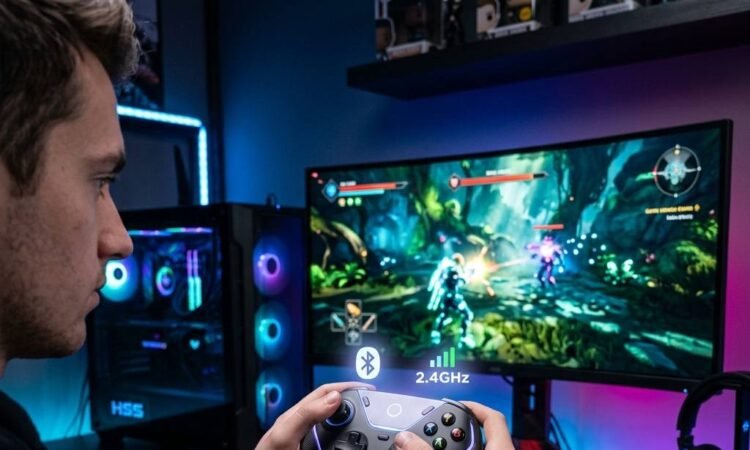
When people talk about a good controller, they often focus on grip, buttons, or battery life. Yet the real difference between a smooth win and a frustrating loss often comes down to connectivity hssgamepad performance in daily play.
A strong connection affects your timing, movement, and control in every session. This guide explains how HSSGamepad works across Bluetooth, USB, and 2.4GHz wireless, and how you can fix common issues without stress.
Why Connectivity Matters in Gaming
A controller is only as good as the link between it and your device. If that link is weak, you may notice delay, missed inputs, random disconnects, or poor response during key moments in a game.
That is why connectivity hssgamepad matters for casual players and serious users alike. Stable communication improves control, reduces input lag, and helps you enjoy a more reliable gaming experience on every supported platform.
| Connection Mode | Typical Latency | Best Use Case | Main Benefit |
| Bluetooth | 8–15ms | Mobile gaming, tablets, smart TVs | Easy pairing |
| 2.4GHz wireless | 4–8ms | PC gaming, competitive play | Low-latency response |
| Wired USB | Lowest stable delay | Long sessions, tournaments, setup fixes | Strongest stability |
Overview of HSSGamepad Features
HSSGamepad stands out because it gives players more than one way to connect. It supports wireless, wired, and cross-device use, which makes it useful for people who move between phone, PC, tablet, and TV.
The controller is built for flexible gaming habits. Whether you want quick Bluetooth pairing, responsive 2.4GHz play, or a simple USB link, the design supports stable control across different gaming setups.
Understanding HSSGamepad Connectivity
To understand connectivity hssgamepad, it helps to think of each mode as a tool for a different job. Some players want speed, some want comfort, and some want broad device compatibility without extra setup.
HSSGamepad supports all three major connection styles so you can choose what fits your game and hardware. This multi-mode approach is one reason it works well for PC gaming, mobile gaming, and even smart TV or cloud gaming.
Wireless Bluetooth Connectivity
Bluetooth mode is often the easiest way to start. It usually takes 3–5 seconds to pair on a known device and works well for phones, tablets, and some TVs.
It is convenient because it needs no cable, and setup is often simple. For everyday gaming, Bluetooth gives enough speed and range for comfortable play within 8–10 meters.
Wired USB Support
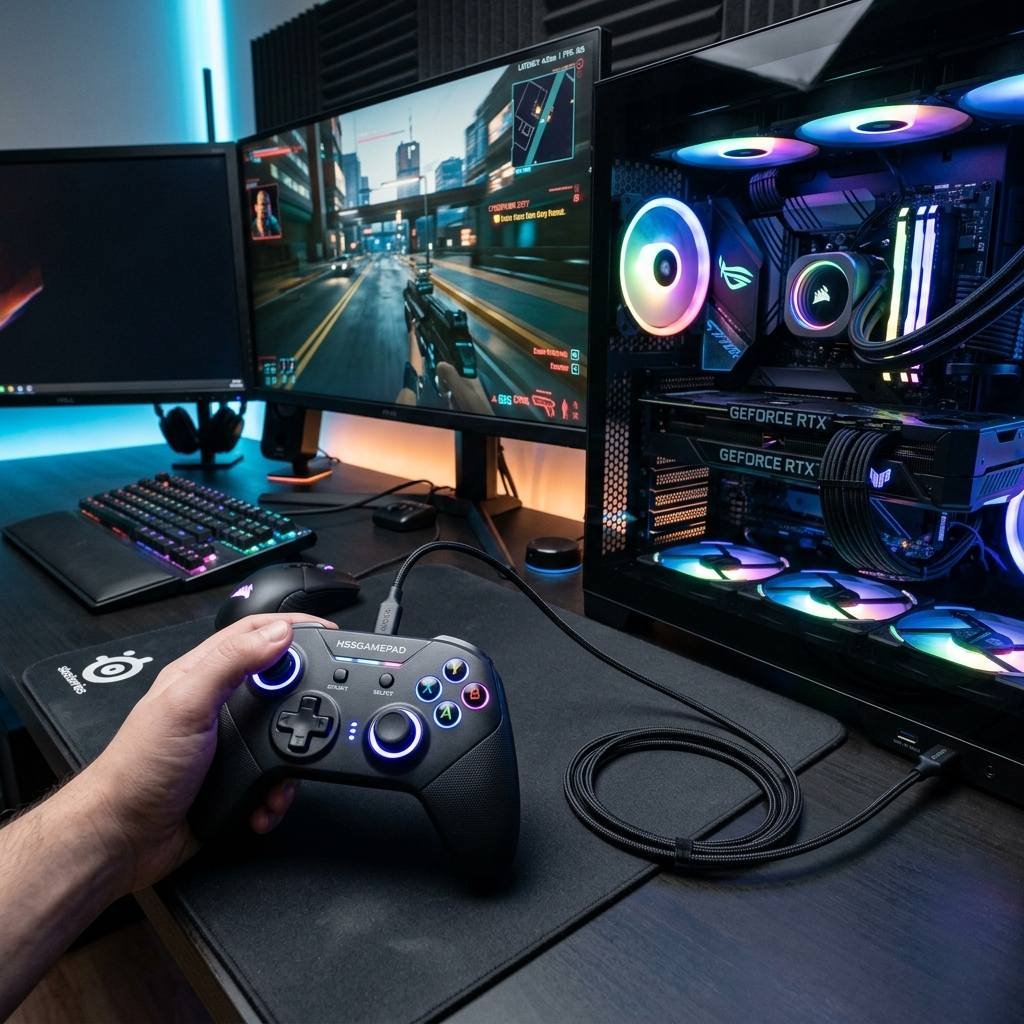
A wired connection gives the most direct path between the controller and device. You plug in the cable, and most systems detect the controller right away with less risk of signal interruption.
This mode is useful when you want steady response for longer sessions. It also helps when you are charging the controller, updating firmware, or testing whether a problem is wireless or hardware related.
2.4GHz Wireless Mode
2.4GHz wireless is a strong middle ground between comfort and speed. It often uses a USB dongle and can deliver 4–8ms response time, which is faster than many standard Bluetooth links.
This mode is popular with players who care about reaction speed. For shooters, racing games, and competitive titles, 2.4GHz often feels more stable and responsive than standard wireless pairing.
Key Features of HSSGamepad
The strength of connectivity hssgamepad comes from how its features work together. It is not only about connecting once, but about staying connected through long sessions without constant drops or lag.
The controller combines broad compatibility, battery-aware design, and solid response across modes. That balance makes it useful for casual users, cloud gamers, emulator fans, and players who switch devices often.
Low-Latency Gaming Performance
A fast controller response can change how a game feels. Low-latency performance helps actions register quickly, which matters in fighting games, sports titles, and any game with tight timing windows.
With 2.4GHz wireless and USB, HSSGamepad can feel very responsive. Even in Bluetooth mode, performance stays solid when the signal is clear and the device is properly updated.
Multi-Platform Compatibility
One big advantage of HSSGamepad is its reach across devices. It can support Android phones, tablets, Windows PCs, some iOS devices, smart TVs, and other compatible systems.
That means you do not need a separate controller for every screen. For users who play mobile one day and PC the next, this kind of cross-platform support saves time and money.
Energy Efficiency and Battery Optimization
Battery life matters more than many people expect. A controller with poor battery behavior can disconnect during play, enter sleep mode too early, or show unstable wireless performance.
HSSGamepad benefits from smart power use, but good habits still matter. Lowering unused features, charging on time, and avoiding extreme battery drain can improve long-term connection stability.
Common Connectivity Issues
Even a good controller can run into problems from time to time. Most HSSGamepad connectivity issues come from simple causes such as weak battery, crowded wireless signals, outdated drivers, or pairing confusion.
The good news is that many of these problems are easy to fix at home. Once you understand the pattern, troubleshooting becomes faster and less frustrating, even if the issue shows up often.
Bluetooth Pairing Problems
Some users struggle during the first Bluetooth pairing HSSGamepad attempt. The controller may not appear, may connect and drop, or may stay saved on an old device and refuse a new link.
This often happens when pairing memory is full or the controller is in the wrong mode. Restarting both devices and removing old pair records usually helps clear the issue.
Input Lag During Gameplay
If button presses feel late, the problem may be latency, not button failure. Heavy background apps, long distance from the device, or signal noise can all raise delay during active gameplay.
In many cases, switching from Bluetooth to 2.4GHz or wired mode improves response. This is one of the most useful HSSGamepad input lag solutions for competitive players.
Random Disconnections
A controller that disconnects at random can ruin the flow of a match. This may happen because of low battery, unstable firmware, radio interference, or a weak USB dongle position.
Disconnections are also common when too many nearby devices use the same wireless band. Moving the receiver, charging the controller, or updating system software often solves the problem.
Troubleshooting Connectivity Problems
The best HSSGamepad troubleshooting guide starts with easy checks before deeper fixes. Many users jump to hardware concerns too fast, when the real issue is a setting, signal clash, or old software.
A calm step-by-step process works best. Test one thing at a time so you can spot what changed and avoid making the setup more confusing than it needs to be.
Basic Steps for Resolving Issues
First, restart the controller and the device you are using. Then check battery level, confirm the correct pairing mode, and make sure the system actually supports gamepad input on that app or game.
Next, re-pair the device or try a different cable, port, or USB dongle. These small steps fix a large share of everyday wireless gamepad connection problems.
Advanced Fixes for Persistent Problems
If basic steps fail, look at drivers, controller reset options, and firmware updates. On PC, open device settings and confirm the controller is recognized correctly without error warnings.
You can also test the controller on another device to isolate the problem. If it works elsewhere, the issue likely comes from software, not the HSSGamepad itself.
Optimizing Gaming Performance
Good setup does more than prevent issues. It helps connectivity hssgamepad deliver the smooth feel that players want, especially during online matches, cloud gaming, and long evening sessions.
Optimization is about reducing delay and keeping the signal clean. A few simple changes in how and where you play can improve response more than many people expect.
Reducing Input Lag
To lower delay, use 2.4GHz wireless or wired USB for fast-paced games. Keep the controller close to the receiver, shut down heavy apps, and avoid system power-saving modes while gaming.
On PC, update drivers and disable unnecessary overlays when possible. Small performance gains add up, especially if you care about reaction time and accurate movement.
Minimizing Wireless Interference
Wireless signals can fight for space in busy rooms. Routers, earbuds, smart speakers, and even other controllers may affect Bluetooth interference or reduce the quality of 2.4GHz links.
Try moving away from crowded electronics or using a front-facing USB port for the dongle. A short extension cable can also help place the receiver in a cleaner spot.
Enhancing Stability with Wired Connections
If you want the most stable option, go wired. A wired connection avoids many pairing issues, keeps charging simple, and reduces the chance of signal drops during serious play.
This is a strong choice for tournaments, ranked matches, or troubleshooting sessions. It is also useful when battery health is starting to decline and wireless behavior becomes less predictable.
Device Compatibility
One reason connectivity hssgamepad gets attention is its broad support across modern devices. A controller that works on only one system feels limiting, especially for players who switch between screens.
Compatibility depends on both hardware and software versions. So while the controller supports many devices, checking system settings and version requirements still matters.
Android Phones and Tablets
HSSGamepad for PC and Android is a common search because Android support is often smooth and flexible. Most modern Android phones and tablets can pair through Bluetooth or work through supported wired methods.
This makes the controller useful for emulators, cloud gaming apps, and native mobile games. For the best result, keep Android updated and enable game controller support where needed.
Windows PCs and Laptops
On Windows PCs, HSSGamepad often works through USB, Bluetooth, or a 2.4GHz wireless dongle. PC users also have more options for testing, remapping, and updating controller settings.
If there is a setup problem, driver checks are easier on Windows than on many other systems. That makes PC a good platform for solving persistent connectivity issues step by step.
iOS Devices and Smart TVs
Support on iOS depends on software version and app support. Devices running compatible systems, often around iOS 13 and later, may pair more smoothly than older versions.
Smart TVs can also work well if the TV supports external controllers. For streaming apps and casual play, this setup gives a simple couch gaming experience without needing a full console.
Firmware Updates and Maintenance
Many users ignore updates until something breaks. But HSSGamepad firmware updates can improve connection stability, reduce pairing bugs, and help the controller work better with newer devices.
Maintenance is not hard, but it should be regular. A few minutes of upkeep can prevent larger issues that interrupt gaming later on.
Importance of Regular Updates
Updates may improve Bluetooth pairing, fix battery reporting, and strengthen multi-platform support. They can also help with response consistency in games that need tighter timing.
If you use the controller on more than one device, updates become even more important. They help keep behavior consistent across platforms and reduce strange one-device-only bugs.
Steps to Update Firmware and Drivers
Start by connecting the controller through USB if possible. Then use the official update tool or supported software to check for new firmware and install it fully before unplugging.
On PC, also update related drivers if the system needs them. After the update, restart the controller and test each connection mode again.
Gaming Scenarios and Use Cases
Different games place different demands on a controller. That is why connectivity hssgamepad should be judged by real play situations, not just by setup speed or product claims.
A mobile puzzle game, a cloud-streamed action title, and a ranked shooter all need different things. The best connection mode depends on what you play most often.
Competitive Gaming with HSSGamepad
Competitive gaming rewards consistency. In ranked titles, small changes in response time can affect aiming, movement, and confidence under pressure.
For that reason, many players prefer 2.4GHz or wired play when every input matters. These modes are usually the safest choice for stable timing and lower perceived delay.
Cloud Gaming and Cross-Platform Play
Cloud gaming already adds network delay, so your controller should not add more if you can avoid it. A stable local connection helps keep the overall experience smooth and playable.
Cross-platform play also benefits from a controller that moves easily from one device to another. HSSGamepad fits that need well when properly paired and updated.
Mobile Gaming Enhancements
For mobile gaming, comfort and speed both matter. Touch controls can feel cramped, but a physical controller brings better movement, cleaner aiming, and a more console-like feel.
That is why many users choose mobile gaming with HSSGamepad for longer sessions. It can improve control in racing, shooters, platformers, and streaming apps.
Preventive Measures for Long-Term Performance
A controller lasts longer when it is treated well. Long-term performance depends not only on how you use it, but also on how you store it and charge it between sessions.
Simple habits protect both hardware and signal quality. They also reduce the odds of future pairing and battery-related issues.
Proper Storage and Handling
Keep the controller in a dry, clean place and avoid pressure on sticks or triggers. Dust, moisture, and drops can cause physical damage that later looks like a connection problem.
If you travel with it, use a soft case when possible. Good storage helps preserve button feel, port condition, and overall reliability.
Maintaining Optimal Battery Health
Battery condition affects more than play time. Weak battery output can lead to unstable wireless behavior, surprise disconnects, or poor standby performance.
Try not to let the battery stay empty for long periods. Regular charging and moderate use help the controller hold a better connection over time.
Advantages of Using HSSGamepad
The main strength of HSSGamepad setup and features is flexibility. It fits many kinds of players without forcing them into one platform or one connection style.
That makes it practical, not just convenient. For users who want value and comfort, it offers a solid balance between features and day-to-day use.
Affordable Multi-Platform Solution
Buying separate controllers for every device gets expensive fast. A controller that works across phone, tablet, PC, and TV can cut that cost and simplify your gaming setup.
This is one reason multi-platform gamepad compatibility matters. A single controller with broad support gives better value over time.
Comfortable Gaming Experience
A stable controller feels better because you stop thinking about connection problems. When setup is smooth and response is clean, your focus stays on the game itself.
Comfort also grows during long sessions. Fewer disconnections and fewer pairing issues mean less stress and more time actually playing.
Enhanced Gaming Immersion
Immersion depends on flow. If the controller responds well, audio, visuals, and gameplay feel more connected, and the experience becomes more natural.
That is where strong stable gaming connections HSSGamepad performance really helps. It removes small breaks that can pull you out of the moment.
Comparing Connection Modes
Not every mode is right for every player. The best way to understand HSSGamepad wired vs wireless use is to compare speed, convenience, and reliability in real conditions.
Some users want easy pairing above all else. Others care most about low delay or long-session dependability, so the right choice depends on your habits.
Bluetooth vs. 2.4GHz Wireless vs. Wired
Bluetooth is simple and widely supported, which makes it great for phones and tablets. 2.4GHz wireless is often faster and better for action-heavy games on PC or TV.
Wired USB is the most stable choice and often the easiest for updates and testing. If you want the least guesswork, wired mode is hard to beat.
Choosing the Right Mode for Your Needs
Pick Bluetooth for convenience and broad mobile support. Choose 2.4GHz for fast response and freer movement, especially in home setups with a receiver.
Use wired mode when stability matters most or when troubleshooting. The best mode is the one that fits your games, device, and room conditions.
Tips for Beginners
If you are new to controller setup, the process can seem harder than it really is. Most problems come from skipped steps, not from the controller being difficult to use.
Start simple and test one mode at a time. Once the first setup is done correctly, later use becomes much easier.
Setting Up HSSGamepad for the First Time
Charge the controller first, then decide which mode you want to use. For Bluetooth, enter pairing mode and connect from your device settings within about 30 seconds.
For USB or 2.4GHz, plug in the cable or dongle and wait for detection. After that, test buttons in a game or controller settings menu.
Avoiding Common Mistakes
Do not try to pair the controller to several devices at once. Also avoid low battery setup, unsupported apps, and old saved pair records that can confuse the system.
Many first-time issues come from using the wrong mode for the target device. A quick check of compatibility saves a lot of time.
When to Seek Professional Help
Most connection issues can be solved at home, but not all of them. If the same problem appears across different devices and modes, the cause may be physical damage or internal failure.
That is the point where deeper inspection makes sense. Repeating the same reset steps forever will not help if the hardware itself is faulty.
Identifying Hardware Defects
Watch for loose ports, buttons that fail in every mode, charging problems, or wireless failure even after updates and resets. These signs may point to a damaged board, antenna, or battery issue.
A cracked shell or bent USB port can also affect connection quality. Physical defects often show up as random signal loss or failed detection.
Contacting Customer Support
Before contacting support, write down your device type, software version, and the exact problem. Note whether it happens on Bluetooth, 2.4GHz, or wired mode.
Clear details help support teams diagnose faster. If the controller is under warranty, that information may also speed up repair or replacement.
Future of Gaming Controllers
Controller technology keeps moving toward faster response, wider compatibility, and easier switching between devices. That trend makes products like HSSGamepad more useful over time.
As games spread across cloud, mobile, and PC platforms, connection quality will matter even more. Players will expect simple setup with strong performance everywhere.
Trends in Connectivity Technology
We are seeing more focus on reduced latency, smarter wireless handling, and better battery efficiency. Controllers are also becoming more adaptive across operating systems and screen types.
That means future improvements may make pairing faster and signal quality more stable in crowded homes. It is a good direction for both casual and serious players.
Innovations in Gaming Accessories
Gaming accessories are becoming more connected as a whole. Headsets, docks, controllers, and streaming devices now need to work together without adding clutter or delay.
In that environment, flexible controllers with clean multi-mode support stand out. Better accessories will likely focus on speed, comfort, and simpler device switching.
Conclusion
Strong connectivity hssgamepad performance is not just a technical detail. It shapes your response time, game flow, and comfort across PC, Android, iOS, and smart TV sessions.
If you choose the right mode, keep the controller updated, and follow simple troubleshooting steps, HSSGamepad can deliver smooth and stable play across many platforms.
Summary of Key Takeaways
Use Bluetooth for easy mobile pairing, 2.4GHz wireless for faster response, and wired USB for the best stability. Keep firmware updated and check battery health often.
Most connection problems come from interference, low charge, saved pairing conflicts, or outdated software. Start with simple fixes before assuming hardware failure.
Final Tips for Seamless Gaming
Keep your controller charged, stay close to the receiver, and match the connection mode to the game you play. For serious sessions, test your setup before you jump into a match.
With the right setup, connectivity hssgamepad becomes less of a problem and more of a strength. That is what makes gaming feel smooth, responsive, and fun from start to finish.