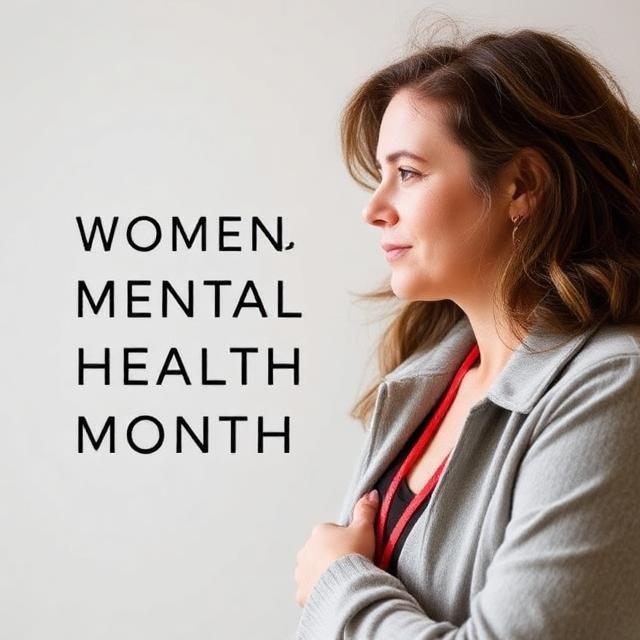
Introduction to Women’s Mental Health Month
Every May, Women’s Mental Health Month shines a spotlight on an often-overlooked aspect of well-being. This month is dedicated to raising awareness about the unique mental health challenges women face throughout their lives. From hormonal changes to societal pressures, women’s experiences can significantly impact emotional and psychological wellness.
As we delve into this important topic, it’s crucial to understand that mental health isn’t just a personal issue; it affects families, communities, and society as a whole. By discussing women’s mental health openly and honestly, we can break down barriers and foster a supportive environment for all women seeking help. Join us as we explore common issues affecting women’s mental health this month and discover ways to empower ourselves and those around us.
The Importance of Raising Awareness
Raising awareness about women’s mental health is crucial in breaking down barriers. Many women experience unique challenges that can impact their emotional well-being. By shedding light on these issues, we create an environment where open dialogue becomes possible.
Awareness fosters understanding. When more people recognize the signs of mental health struggles, they can offer support to friends and family members who may be suffering in silence. This collective empathy helps dismantle stigma.
Education plays a vital role too. The more informed we are about conditions like anxiety or depression, the better equipped we become to identify symptoms early on. Knowledge empowers women to seek help without fear of judgment.
Furthermore, increased visibility leads to improved resources and funding for research and treatment options tailored specifically for women’s needs. Together, we can promote a culture of care that prioritizes mental wellness across all communities.
Common Mental Health Issues Among Women
Women face a variety of mental health challenges that can significantly impact their lives. One prevalent issue is depression, which affects millions and often manifests differently than in men. Hormonal changes throughout life stages can influence mood swings and exacerbate symptoms.
Anxiety is another common concern. Many women experience generalized anxiety or panic attacks, driven by stressors such as work-life balance, societal pressures, or trauma. These feelings can be overwhelming and may hinder daily functioning.
Eating disorders also pose a significant risk for many women. Societal expectations around appearance contribute to unhealthy relationships with food and body image issues. Conditions like anorexia and bulimia are serious mental health concerns requiring compassionate intervention.
Understanding these issues is crucial for promoting better mental wellness among women while fostering supportive environments where they feel comfortable seeking help. Each woman’s journey is unique, making awareness all the more important in addressing these challenges effectively.
A. Depression
Depression is a prevalent mental health issue affecting many women. It can manifest as persistent sadness, fatigue, or even irritability. This mood disorder often impacts daily functioning and relationships.
Hormonal fluctuations during menstruation, pregnancy, and menopause can contribute to depression’s onset in women. Societal pressures—balancing careers while caring for family—can also play a significant role.
Many women might feel isolated in their struggles. They may believe they should be able to cope on their own due to external expectations. Recognizing the signs of depression is crucial for seeking help.
Support systems are essential for recovery. Friends, family members, or professionals can provide understanding and encouragement during tough times. Addressing this condition openly not only fosters healing but also empowers other women facing similar challenges.
B. Anxiety
Anxiety affects millions of women worldwide, manifesting in various forms. It can range from everyday worries to debilitating panic attacks.
Hormonal fluctuations are a significant factor. For many women, life stages such as menstruation, pregnancy, and menopause can exacerbate anxiety symptoms.
The pressure to balance careers, family responsibilities, and social expectations often adds to this mental burden. Societal norms may make it difficult for women to express their feelings openly.
Coping strategies vary widely. Some find relief through therapy or medication. Others turn to mindfulness practices like yoga or meditation.
Establishing a support network is crucial. Talking with friends or joining support groups can provide comfort and understanding during tough times.
Recognizing the signs of anxiety is the first step toward managing it effectively. Women should prioritize their mental health just as they do their physical well-being.
C. Eating disorders
Eating disorders are complex mental health conditions that disproportionately affect women. They often arise from a combination of genetic, environmental, and psychological factors.
Many women struggle with body image issues, leading to unhealthy eating patterns. Conditions like anorexia nervosa and bulimia nervosa can develop as individuals attempt to control their weight or cope with emotional distress.
These disorders not only impact physical health but also lead to severe emotional pain. Women may feel isolated or ashamed, which makes seeking help even more challenging.
Understanding the signs is crucial for early intervention. If someone shows extreme changes in eating habits or expresses negative feelings about their body, it’s important to approach them with compassion.
Support from friends and family plays a vital role in recovery. Encouraging open conversations about food and self-image can create an environment where healing is possible.
Stigma and Barriers to Seeking Help
Stigma surrounding mental health can be a significant barrier for women seeking help. Many fear judgment from friends, family, or coworkers. This perception often leads to silence and isolation.
Cultural norms play a crucial role in how women view their mental health struggles. Some may believe that asking for help is a sign of weakness or failure. These misconceptions can deter them from pursuing necessary treatment.
Additionally, lack of access to resources adds another layer of complexity. Women in underserved communities might face financial limitations or insufficient healthcare services tailored to their needs.
The pressure to maintain appearances also weighs heavily on many women. Balancing work, family, and personal life leaves little room for vulnerability or self-care. Breaking down these barriers requires open conversations and increased awareness around women’s mental health issues.
Ways to Support Women’s Mental Health
Supporting women’s mental health requires a collective effort. Start by fostering open conversations about feelings and experiences. Create safe spaces where women can express themselves without judgment.
Encourage self-care practices that promote well-being. Simple activities like journaling, meditation, or spending time in nature can make a significant difference.
Connecting with others is essential. Help build supportive networks through community groups or workshops focused on mental wellness. Sharing stories can alleviate isolation and inspire hope.
Educate yourself and those around you about the unique challenges women face regarding mental health issues. Awareness leads to understanding, which can dismantle stigma.
Advocate for access to professional help when needed. This includes supporting policies that prioritize mental health services tailored for women’s needs across all demographics and backgrounds.
Resources and Tools for Mental Wellness
Finding the right resources can make all the difference in supporting mental health. Numerous apps are designed specifically for mindfulness and meditation. These tools guide users through exercises that promote relaxation and self-awareness.
Books can also provide valuable insights into mental wellness. Many authors share their personal journeys, offering relatable experiences and coping strategies. Reading about others’ struggles often reminds women they are not alone.
Online communities thrive on social media platforms, fostering connections among those facing similar challenges. Engaging with these supportive spaces helps reduce feelings of isolation.
Therapy apps have emerged as a modern solution for accessing professional help from home. They offer convenient options for seeking guidance when needed most.
Local organizations often host workshops or support groups tailored to women’s mental health needs. Participating in these initiatives can significantly enhance one’s journey toward well-being.
Conclusion: Empowering Women’s Mental Health
Women’s mental health month serves as a vital reminder of the challenges many women face regarding their mental well-being. By raising awareness, we can foster understanding and compassion in our communities.
Addressing common issues like depression, anxiety, and eating disorders is crucial for promoting better mental health outcomes. Each woman’s experience is unique, yet they often navigate similar struggles that deserve attention.
The stigma surrounding mental health continues to create barriers that prevent women from seeking help. Acknowledging this stigma is the first step toward dismantling it. Open conversations about these topics can pave the way for more supportive environments where women feel safe to share their experiences.
Supporting women’s mental health goes beyond individual treatment; it requires collective action from society as a whole. Encouraging self-care practices, offering emotional support, and advocating for accessible resources are just a few ways to make an impact.
With numerous organizations dedicated to providing tools and resources tailored specifically for women’s needs, finding the right support has never been easier. Whether it’s therapy options or community groups, there’s something available for everyone.
Empowering women’s mental health means fostering an environment where every woman feels valued and understood. As we celebrate women’s mental health month each year, let us commit ourselves to listening actively and standing together in solidarity on this journey towards improved well-being.