
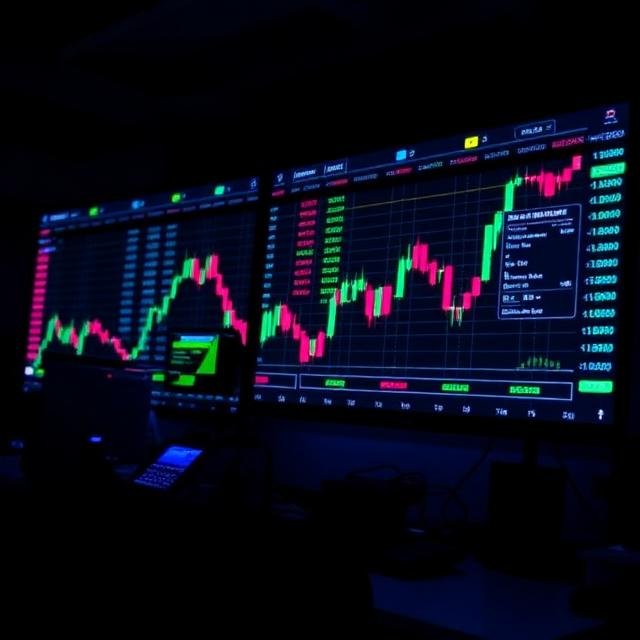
Introduction to Intraday Trading
Intraday trading is an electrifying world where fortunes can be made or lost in the blink of an eye. Many are drawn to the thrill, seeking quick returns and the rush that comes with watching stock prices fluctuate throughout the day. But stepping into this arena requires more than just a gut feeling; it demands knowledge, strategy, and discipline.
profitable intraday trading advice 66unblockedgames.com
If you’ve ever wondered how some traders consistently come out on top while others struggle, you’re in the right place. This blog post will unveil profitable intraday trading advice tailored for both beginners and seasoned investors alike. From understanding market dynamics to mastering essential strategies, we’ll equip you with insights that could enhance your trading game on 66unblockedgames.com. Let’s dive into this fast-paced environment and uncover what it takes to thrive!
Benefits and Risks of Intraday Trading
Intraday trading offers numerous benefits that can attract both novice and experienced traders. One major advantage is the potential for quick profits. By capitalizing on small price fluctuations, traders can secure gains within a single day.
Another appealing aspect is the flexibility it provides. Traders have the freedom to choose their own hours and strategies, allowing them to adapt quickly to market changes or news events.
However, intraday trading isn’t without its risks. The fast-paced nature of this approach means that losses can occur just as swiftly as profits. A sudden market shift may catch even seasoned traders off guard.
Additionally, emotional stress plays a significant role in intraday trading. The pressure to make instant decisions can lead to impulsive choices that don’t align with one’s strategy or risk tolerance.
Understanding these benefits and risks is vital for anyone considering delving into intraday trading activities.
Strategies for Successful Intraday Trading
Successful intraday trading requires a blend of strategies tailored to market conditions and individual preferences.
Technical analysis is pivotal here. Traders often rely on charts, patterns, and indicators like moving averages or RSI (Relative Strength Index). These tools help identify entry and exit points with precision.
Fundamental analysis also plays a key role. Economic news releases and earnings reports can significantly impact stock prices within the same day. Staying informed about current events allows traders to capitalize on volatility.
Risk management cannot be overlooked. Setting stop-loss orders protects against significant losses while maintaining profit potential. Determining position size based on personal risk tolerance ensures you don’t jeopardize your capital.
Diversifying trades across different sectors minimizes risks as well. By not putting all your eggs in one basket, you enhance overall profitability potential in fluctuating markets.
A. Technical Analysis
Technical analysis is a crucial aspect of intraday trading. It involves studying price charts and using statistical measures to predict future market movements. Traders rely on various indicators, such as moving averages, Relative Strength Index (RSI), and Bollinger Bands.
These tools help identify trends and potential entry or exit points. By analyzing historical data, traders can spot patterns that often repeat over time. This predictive nature gives them an edge in making timely decisions.
Charts are the backbone of technical analysis. They provide visual representations of price action, allowing traders to see at a glance whether a stock is trending upward or downward. Candlestick patterns also play a vital role; they reveal market sentiment and volatility.
Understanding volume is equally important in this approach. High trading volumes can confirm trends while low volumes may indicate weakness or consolidation periods. Mastering these aspects can significantly enhance your intraday trading strategies.
B. Fundamental Analysis
Fundamental analysis plays a crucial role in intraday trading. This method focuses on evaluating a company’s financial health and market position. Traders examine earnings reports, economic indicators, and news events to gauge potential price movements.
Understanding key metrics like earnings per share (EPS), revenue growth, and profit margins provides insights into a stock’s value. These elements help traders decide whether to buy or sell within the day.
Market sentiment can also shift rapidly based on news releases or global events. Staying updated on these factors helps you anticipate changes in stock prices.
Additionally, keeping an eye on macroeconomic data—like interest rates and employment figures—can influence market trends significantly. By incorporating fundamental analysis into your strategy, you’ll enhance your ability to make informed decisions throughout the trading day.
C. Risk Management
Risk management is crucial in intraday trading. It safeguards your capital and helps you navigate market volatility.
First, set a clear risk-reward ratio for each trade. This means determining how much you are willing to lose compared to how much you aim to gain. A common approach is the 1:2 ratio.
Next, use stop-loss orders effectively. These tools automatically sell your position once it reaches a predetermined loss point. They help limit potential losses without needing constant monitoring.
Diversification also plays a role in risk management. By spreading investments across different assets or sectors, you can mitigate risks associated with any single investment’s poor performance.
Keep emotions in check while trading. Fear and greed can cloud judgment and lead to impulsive decisions that may jeopardize your strategy. Staying disciplined is key for long-term success on this journey.
Common Mistakes to Avoid in Intraday Trading
Intraday trading can be a thrilling venture, but many traders stumble due to common pitfalls. One major mistake is neglecting to set stop-loss orders. Without these safeguards, you risk significant losses when the market moves against you.
Another frequent error involves overtrading. Chasing every opportunity might seem tempting, but it often leads to poor decision-making and drained capital. Stick to your strategy instead of jumping in on impulse.
Additionally, failing to stay informed about market news can cost you dearly. Economic indicators and geopolitical events significantly influence stock prices; staying updated helps make smarter trades.
Emotional trading also takes its toll on performance. Fear and greed can cloud judgment—maintaining discipline is crucial for consistent results. Focus on your plan rather than reacting emotionally during volatile moments.
Ignoring proper risk management strategies sets traders up for failure. Understanding how much capital you’re willing to lose per trade ensures longevity in this fast-paced environment.
Recommended Tools and Resources for Intraday Traders
For intraday traders, having the right tools can make a significant difference in performance. Trading platforms like MetaTrader 4 or ThinkorSwim offer robust charting capabilities and user-friendly interfaces.
Real-time data feeds are essential. Services such as TradeIdeas provide alerts on stock movements, helping traders act quickly on opportunities.
Additionally, utilizing financial news websites keeps you informed about market events that may impact trading decisions. Bloomberg and Reuters are top choices for timely updates.
Charting software is also crucial for technical analysis. Tools like TradingView offer advanced features to analyze price patterns effectively.
Consider joining online communities or forums where experienced traders share insights and tips. Engaging with peers can enhance your understanding of market dynamics and improve your strategies over time.
Case Study: Successful Intraday Trader
Meet Sarah, a remarkable example of a successful intraday trader. Starting with minimal capital, she dedicated herself to learning the market’s intricacies.
Sarah focused on technical analysis. She spent hours studying charts and patterns, identifying trends before they emerged. This keen eye for detail allowed her to make informed decisions quickly.
Her approach was disciplined. Instead of chasing every opportunity, she set clear entry and exit points based on her strategy. Risk management became her mantra; losing trades were just part of the game.
Networking also played a key role in her success. Engaging with other traders provided fresh perspectives and insights that enhanced her strategies over time.
Today, Sarah’s portfolio reflects years of honing her skills and adapting to market dynamics. Her journey is an inspiring tale for aspiring traders looking to navigate the complexities of intraday trading effectively.
Conclusion
Intraday trading can offer a thrilling way to engage with the stock market. The potential for quick profits attracts many traders, but it requires discipline and strategy. Understanding both the benefits and risks is crucial before diving in.
Adopting effective strategies like technical analysis, fundamental analysis, and robust risk management will set you on a path toward success. Avoiding common mistakes can be just as important as implementing your winning strategies.
Using recommended tools will enhance your trading performance significantly. Learning from successful intraday traders through case studies provides valuable insights that could shape your own approach.
The key lies in continuous learning and adapting to market changes while remaining patient and focused on long-term goals. With dedication, anyone can turn profitable intraday trading advice into practical application at 66unblockedgames.com!